How safari tourism in Uganda, Rwanda, Kenya, and Tanzania directly funds anti-poaching patrols, community development, and gorilla conservation — and how to choose a responsible East African tour operator.
Tourism is often criticized, but in Africa it's become one of conservation's greatest allies. When managed properly, safari tourism generates revenue that makes wildlife more valuable alive than dead—a fundamental conservation principle.
Conservation Funding
Every dollar spent on wildlife tourism supports: ranger patrols preventing poaching, veterinary programs treating wild animals, habitat restoration projects, and education programs in local communities.
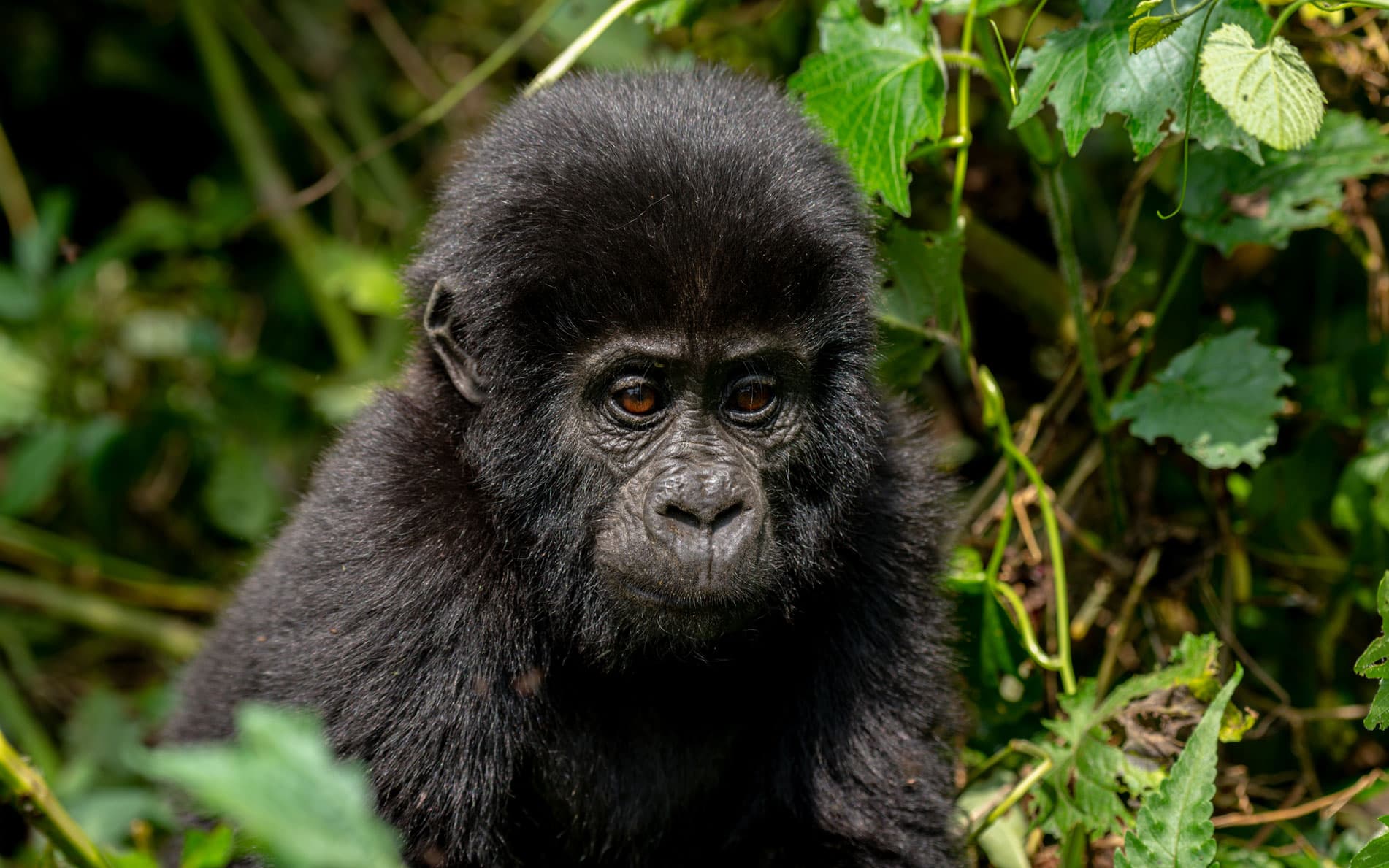
In Rwanda, gorilla tourism revenue directly funds:
- Armed anti-poaching patrols
- Park infrastructure and maintenance
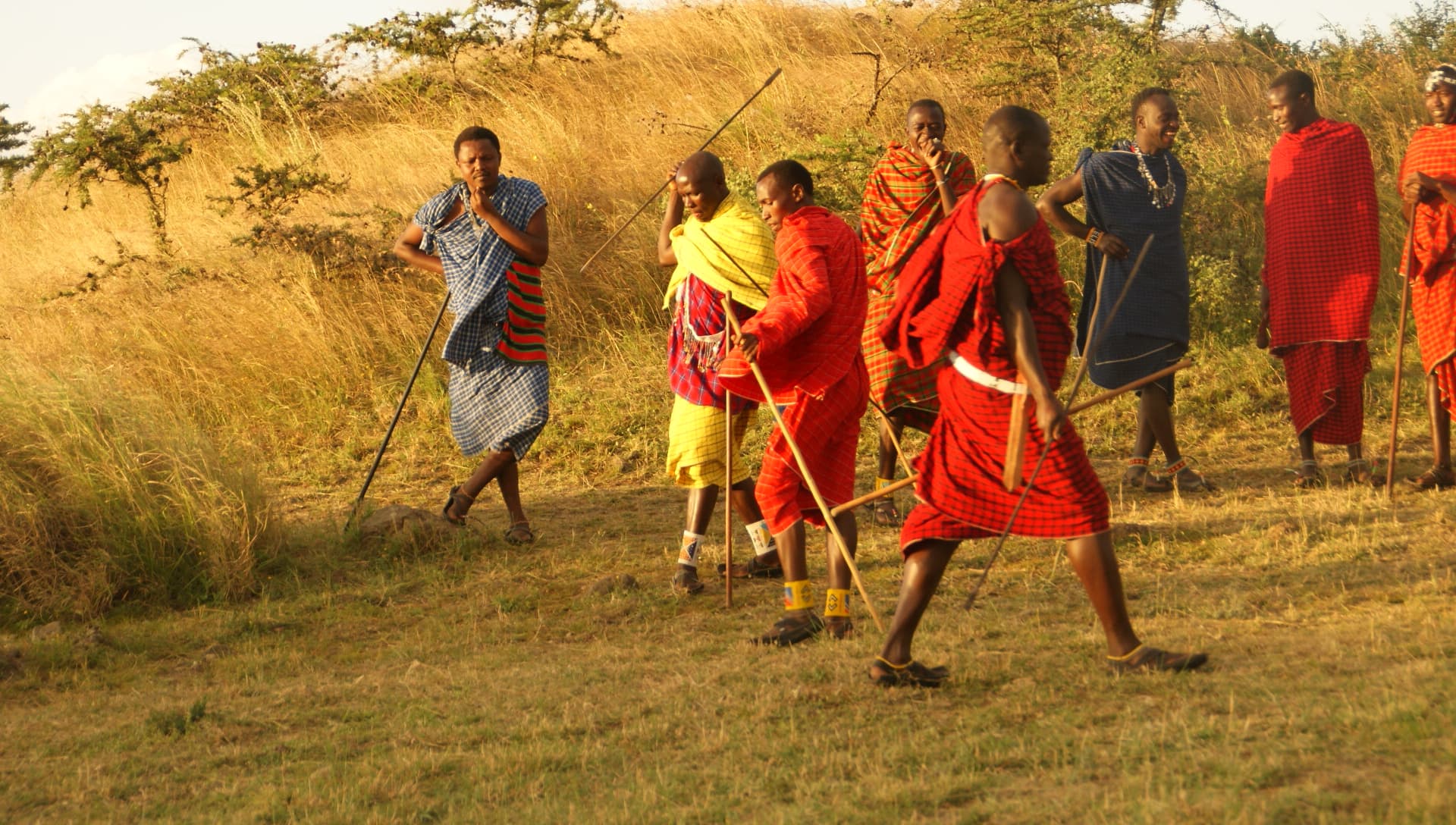
- Community development projects
- Veterinary care for wild gorillas
Community Benefits
Every safari booked is a vote for conservation. Tourism makes wildlife worth more alive than dead.
Highlights of Uganda — conservation in action
Lodge employment provides stable jobs and income for thousands of people. Tourism creates economic incentives for communities to protect wildlife rather than hunt it. Education opportunities emerge as guides become interpreters of wildlife and conservation.
Responsible Tourism Practices
Sustainable tourism requires:
- Limited group sizes to minimize disturbance
- Educated guides who understand conservation
- Revenue sharing with local communities
- Environmental practices in accommodations
- Respect for wildlife and cultural boundaries
The Impact
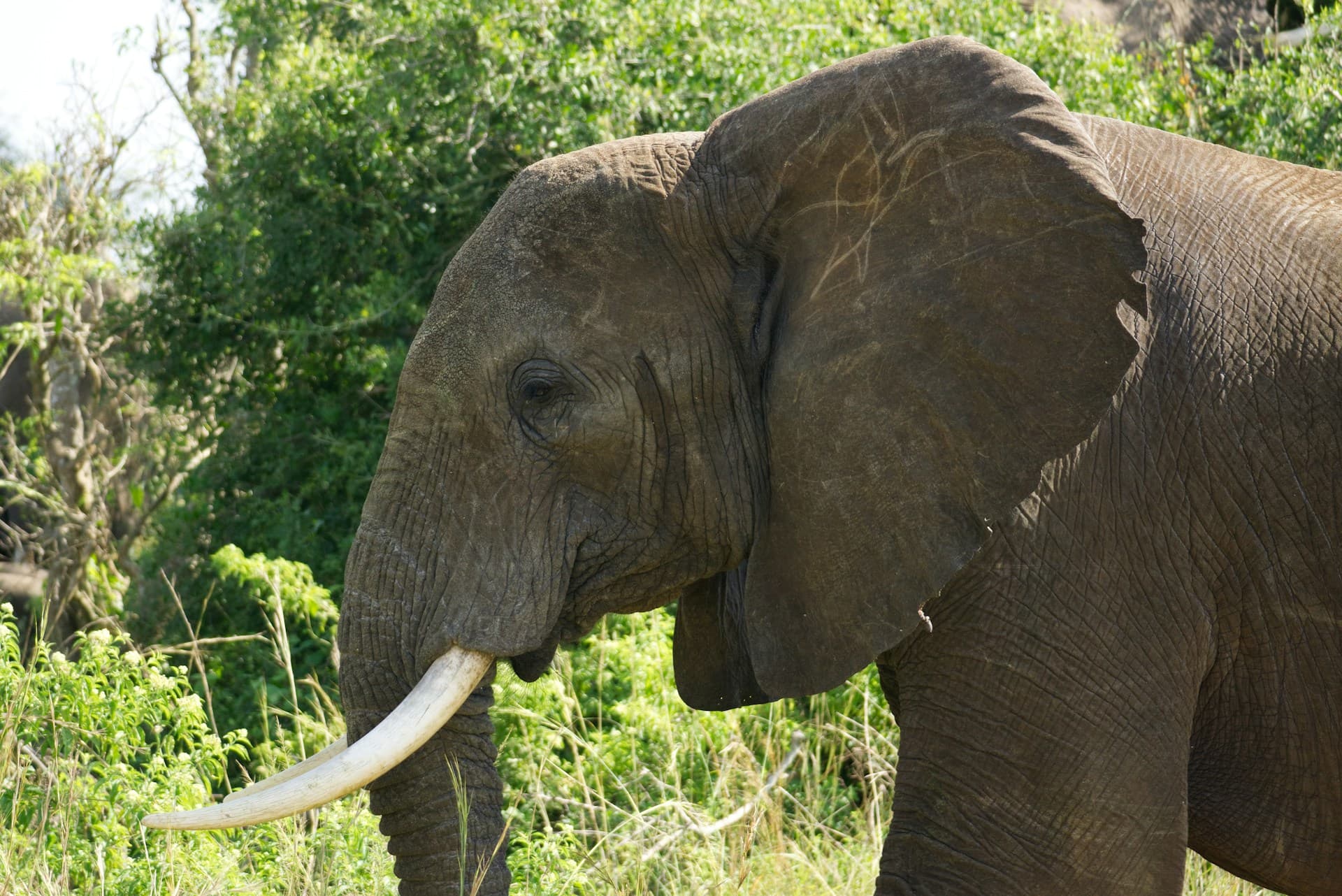
Conservation success stories across East Africa—from rhino population increases to gorilla recovery—are directly tied to tourism revenue. Your safari isn't just a vacation; it's a conservation investment.
Choose Responsibly
Look for operators certified by the Uganda Tourism Board and TUGATA like Everbased Tours. Ask about their community benefit programs and environmental policies.
Protected elephants thriving at Murchison Falls
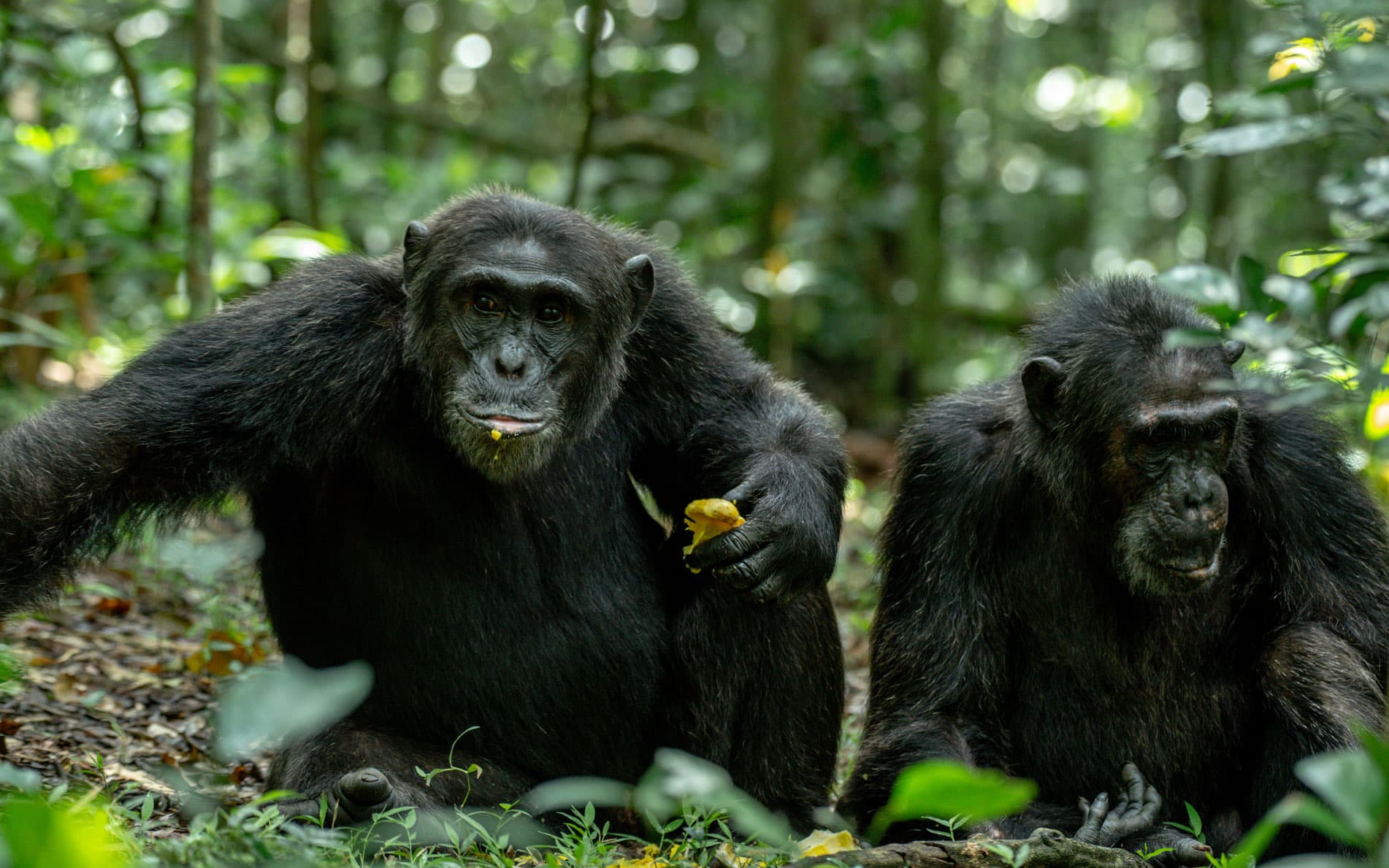
Community-led gorilla conservation
Written by
Everbased Tours Team
Expert travel writer and safari guide with decades of experience exploring East African wildlife and cultures.
Get in touch