Earth's greatest wildlife spectacle — 2 million animals moving across Tanzania's Serengeti and Kenya's Maasai Mara. Best months, river crossings, and how to plan your East Africa migration safari.
The Great Wildebeest Migration is nature's most spectacular annual event. Each year, approximately 2 million wildebeest, zebras, and antelopes undertake a 3,000km circular journey across the Serengeti and Masai Mara ecosystems, driven by the search for water and fresh grass.
The Cycle
The migration follows the rains in a predictable pattern:
**November-December**: Animals gather on the southern Serengeti plains during calving season. This is peak predator action as lions, leopards, and hyenas target young calves.
**January-March**: The plains dry out. Animals remain in the south, feeding on nutrient-rich grasses but facing water scarcity.
**April-May**: Rainfall moves north and west. The massive herds begin moving toward the western corridor.
Two million animals moving in unison across the savanna — there is nothing else like it on Earth.
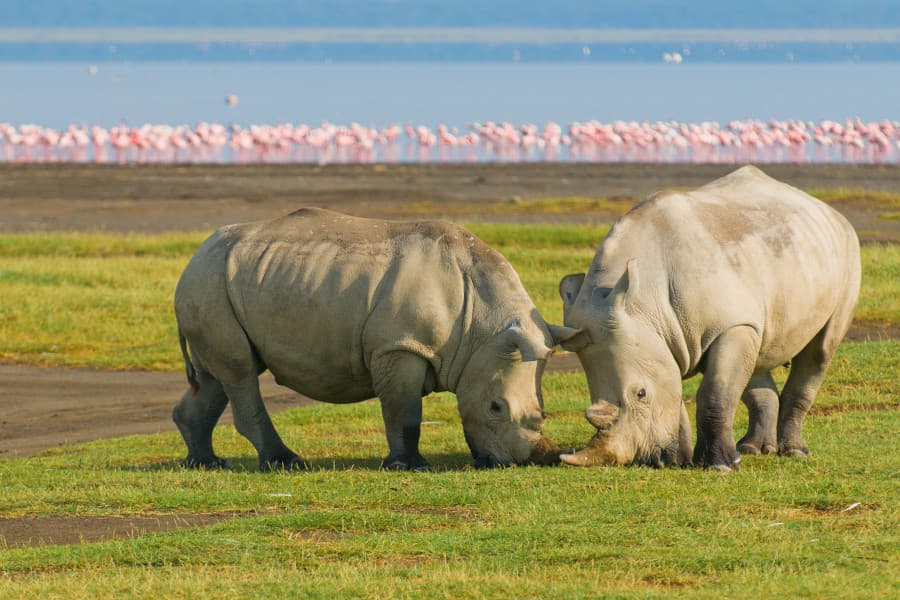
Wildlife across the Kenyan savanna
**June-August**: The herds reach the Grumeti River and Masai Mara, where the most dramatic river crossings occur. Crocodile attacks and predator action intensify.
**September-October**: Animals return south, crossing the Mara River with equal drama and danger.
The Science
This migration evolved over millennia as animals learned to follow the rains and nutritional gradients. Young calves are born during the peak wet season when food is most abundant, maximizing survival rates.
Witnessing It
Being present during the migration is transformative. The sheer volume of animals, the dust clouds, the predator interactions, and the raw power of nature create unforgettable memories. Each migration is unique based on rainfall patterns and water availability.
Best Time to Visit
For river crossings, visit the Masai Mara between July and October. For calving season, visit the southern Serengeti from January to March.
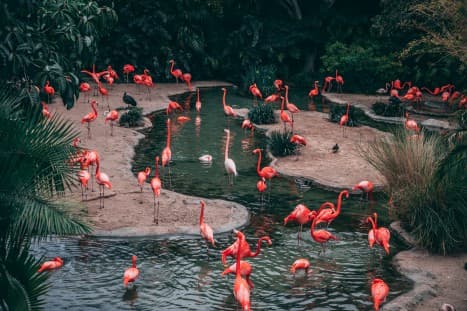
The great herds on the move
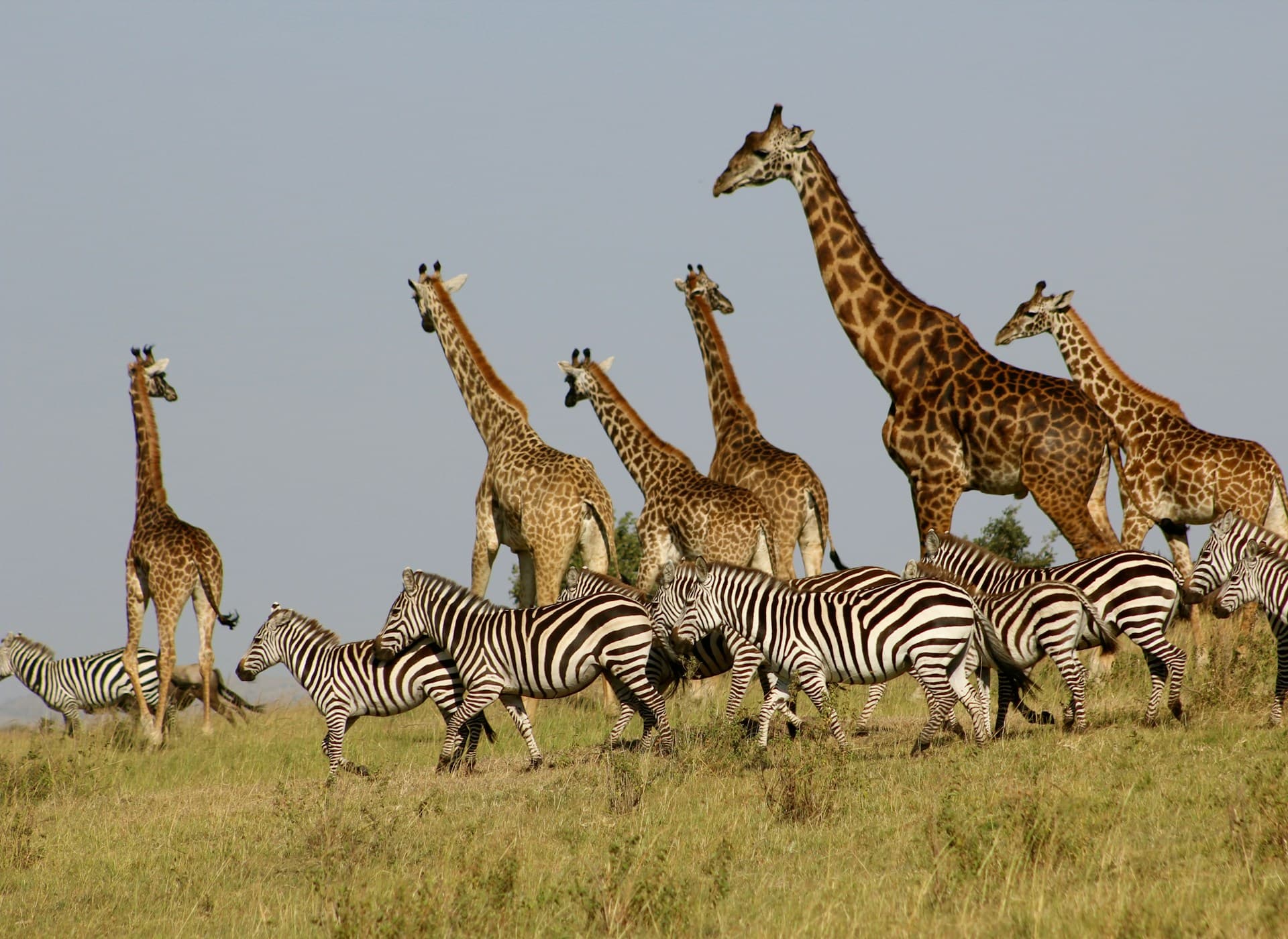
Predators follow the migration
River crossings — the most dramatic stage
The Serengeti ecosystem in motion
Written by
Everbased Tours Team
Expert travel writer and safari guide with decades of experience exploring East African wildlife and cultures.
Get in touch