Inside the lives of Uganda's wild chimpanzees in Kibale Forest National Park — social hierarchies, tool use, communication, and why these primates share 98.8% of our DNA.
Chimpanzees share 98.8% of their DNA with humans, making them our closest living relatives. Their intelligence, emotions, and social complexity rival any animal on Earth.
1. Complex Social Hierarchies
Chimpanzee communities maintain complex power structures. Alpha males lead through dominance and coalition building. Females have their own hierarchies. Status changes occur through challenges and alliances.
2. Emotional Intelligence
Chimps experience grief, joy, frustration, and compassion. They comfort distressed individuals and celebrate successes. Mother-infant bonds last for decades.
3. Tool Use
Chimpanzees are master tool users. They craft sticks to extract termites from mounds, use stones to crack nuts, and fashion sponges from leaves for drinking water. Different populations have distinct tool-use cultures.
4. Warfare
Tragic as it is, wild chimpanzees engage in territorial conflicts and lethal raids. Males organize group attacks on rivals. This behavior shows both human-like warfare and consequences of competition.
5. Hunting Strategies
Chimps hunt cooperatively. They coordinate to drive prey (colobus monkeys) into ambush positions. The kill is shared according to social status, strengthening bonds.
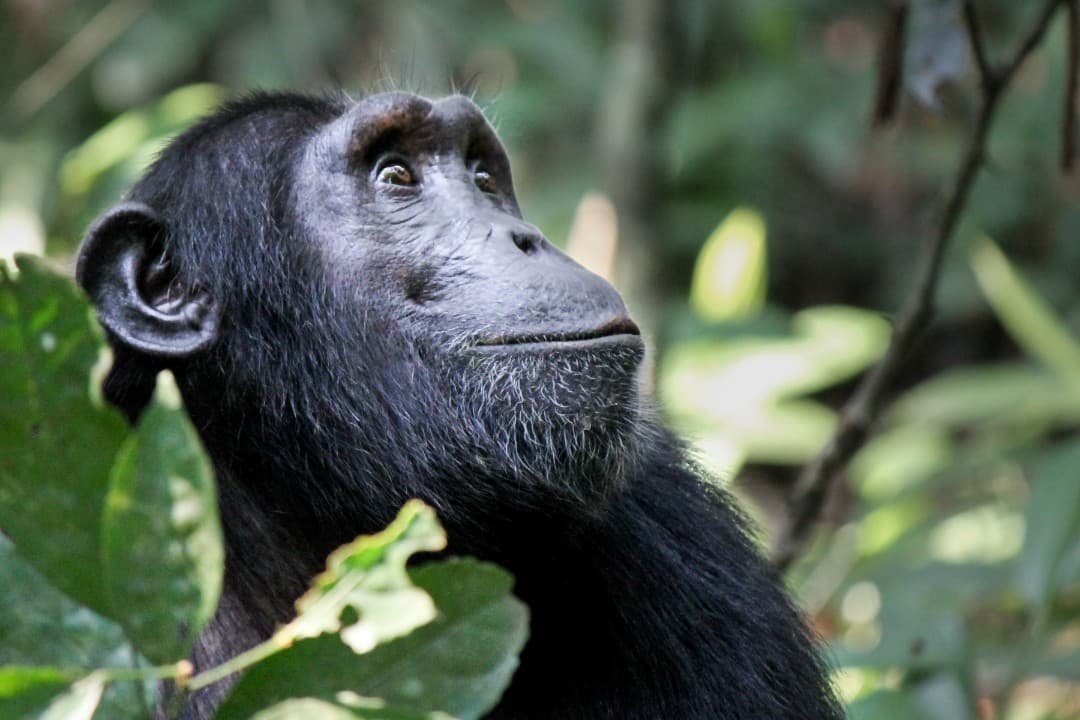
98.8% shared DNA — when you look into a chimpanzee's eyes, you see a mirror of our own ancient past.
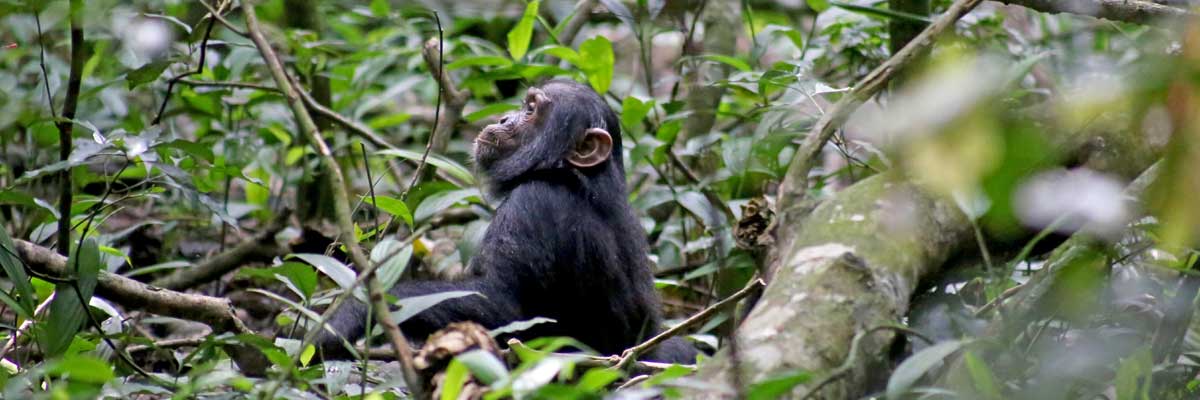
Chimpanzees in Kibale Forest National Park
6. Communication
Chimps use vocalizations, facial expressions, and gestures to communicate. Each population has distinct call patterns—essentially different "dialects."
7. Cultural Transmission
Young chimps learn from mothers for years. They acquire survival skills, tool-use techniques, and social behaviors through observation and imitation.
8. Play and Creativity
Juvenile chimps play extensively, developing skills and social bonds. Adults engage in play, showing creativity and joy. Laughter exists in their repertoire.
9. Food Preferences
Different chimp populations prefer different foods based on local availability and cultural knowledge. Some populations hunt extensively; others focus on vegetation.
10. Self-Awareness
Chimpanzees recognize themselves in mirrors, indicating self-awareness. They understand cause and effect relationships and plan for the future.
Conservation Status
Unfortunately, chimpanzees face habitat loss and poaching. Only about 100,000-200,000 remain in the wild. Supporting chimpanzee conservation through responsible tourism is crucial.
Where to Track Chimps
Kibale Forest National Park in Uganda offers the best chimpanzee tracking experience, with a habituation rate above 90%. Permits cost $200 per person.
Chimps grooming — a vital social behavior
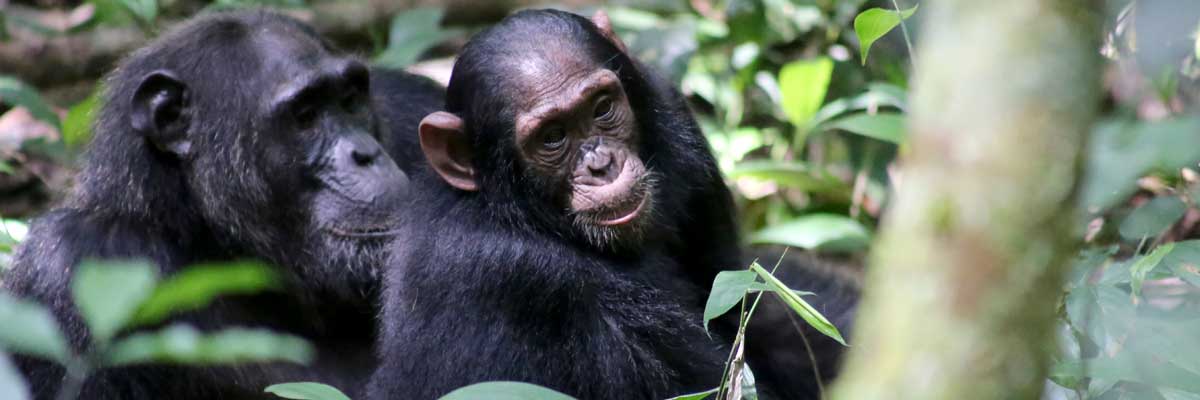
Young chimpanzee at play
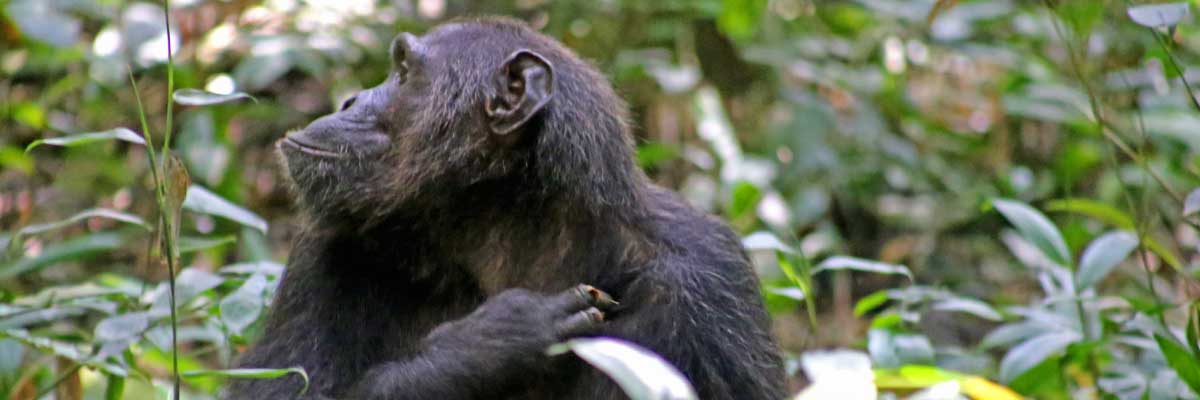
The lush canopy of Kibale Forest
Written by
Everbased Tours Team
Expert travel writer and safari guide with decades of experience exploring East African wildlife and cultures.
Get in touch