A practical training plan to get safari-ready — cardio, strength, and altitude prep for gorilla trekking in Bwindi, chimpanzee tracking in Kibale, and hiking the Rwenzoris.
African adventures require physical preparation. Whether you're trekking gorillas, climbing Kilimanjaro, or hiking through rainforests, conditioning your body maximizes enjoyment and minimizes injury risk.
Timeline for Preparation
Ideally, begin training 3-4 months before your trip. This allows sufficient time to build cardiovascular fitness and muscular endurance without overtraining.
Cardiovascular Training
Build aerobic fitness through:
- Running or jogging 3x weekly
- Cycling on varied terrain
- Swimming for low-impact cardio
- Elliptical machine training
- Hiking with elevation gain
Aim for 30-60 minutes per session. Gradual increases prevent injury. Include interval training (mixing high and low intensity) to build power.
Strength Training
Focus on lower body strength:
- Squats: builds quad and glute strength
- Lunges: strengthens individual legs
- Step-ups: mimics hiking movements
- Calf raises: builds ankle stability
- Core work: improves balance on uneven terrain
Train 2-3x weekly. Perform 3 sets of 10-15 repetitions. Proper form matters more than heavy weight.
The trek to the gorillas isn't just a walk — it's a test of will. Preparation turns suffering into triumph.
Adventure activities on the Nile
Hill and Stair Training
If possible, hike local hills or stairs with a weighted backpack. This specifically prepares your body for mountain terrain. Start with lighter weights and gradually increase.
Flexibility and Recovery
Include stretching, yoga, or foam rolling 3-4x weekly. Flexibility prevents injury and aids recovery. Sleep 7-9 hours nightly for optimal recovery.
Sample Weekly Schedule
**Monday**: Hill hiking with 10kg backpack (60 min) **Tuesday**: Strength training - lower body (45 min) **Wednesday**: Running or cycling (45 min) **Thursday**: Strength training - core and flexibility (45 min) **Friday**: Long hike on varied terrain (90 min) **Saturday**: Swimming or elliptical (45 min) **Sunday**: Rest or gentle yoga
Final Weeks
In the final 2-3 weeks before departure, reduce intensity slightly. Your body should be rested and ready, not fatigued from heavy training.
During Your Trip
Your guide will set a manageable pace. Remember that altitude and exertion affect you differently than home training. Listen to your body and inform guides of any discomfort.
Altitude Awareness
At 2,000m+ elevation, oxygen levels drop significantly. Acclimatize by arriving 1-2 days early. Stay hydrated and avoid alcohol the night before your trek.
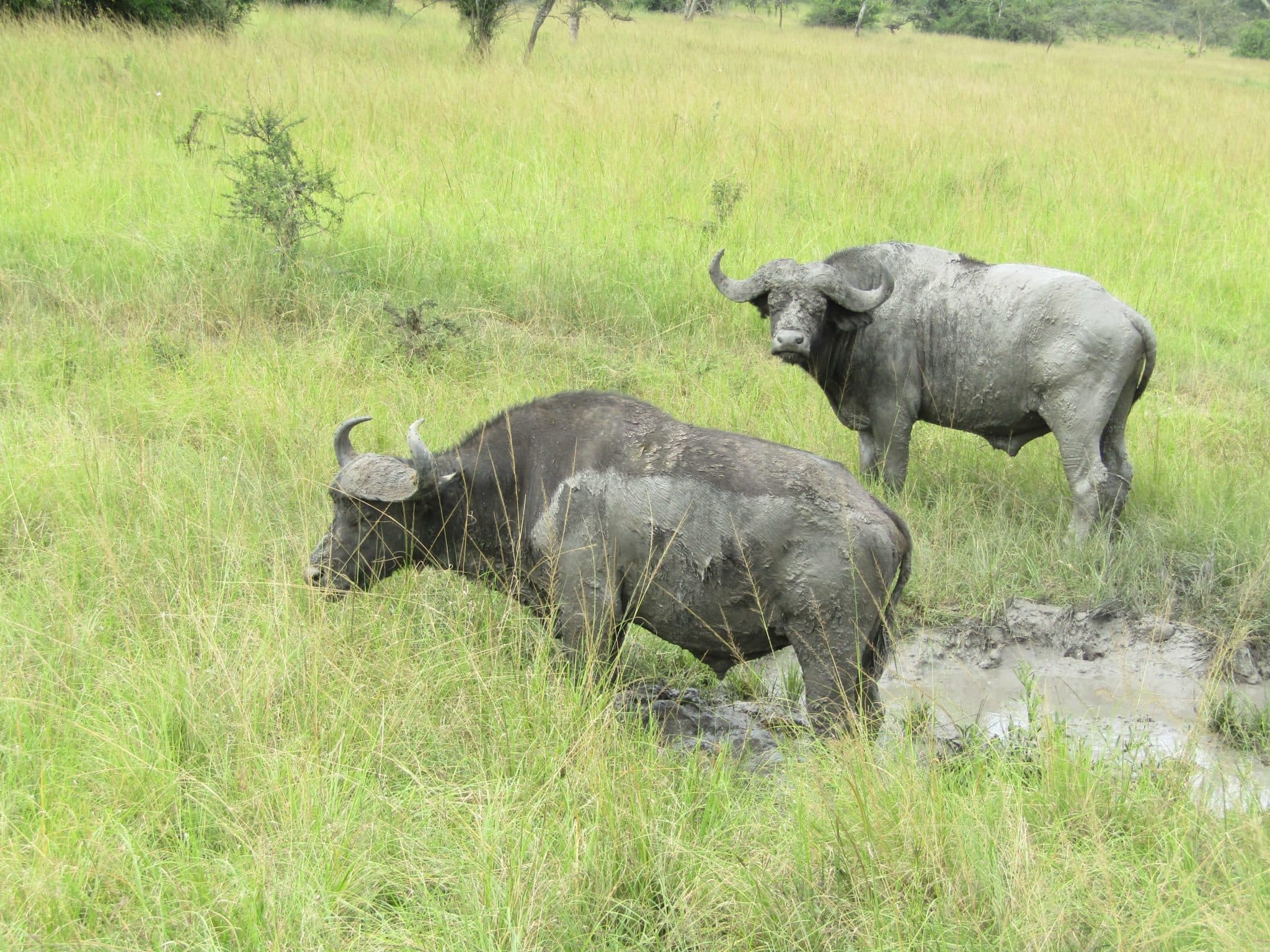
Mountain trails demand preparation
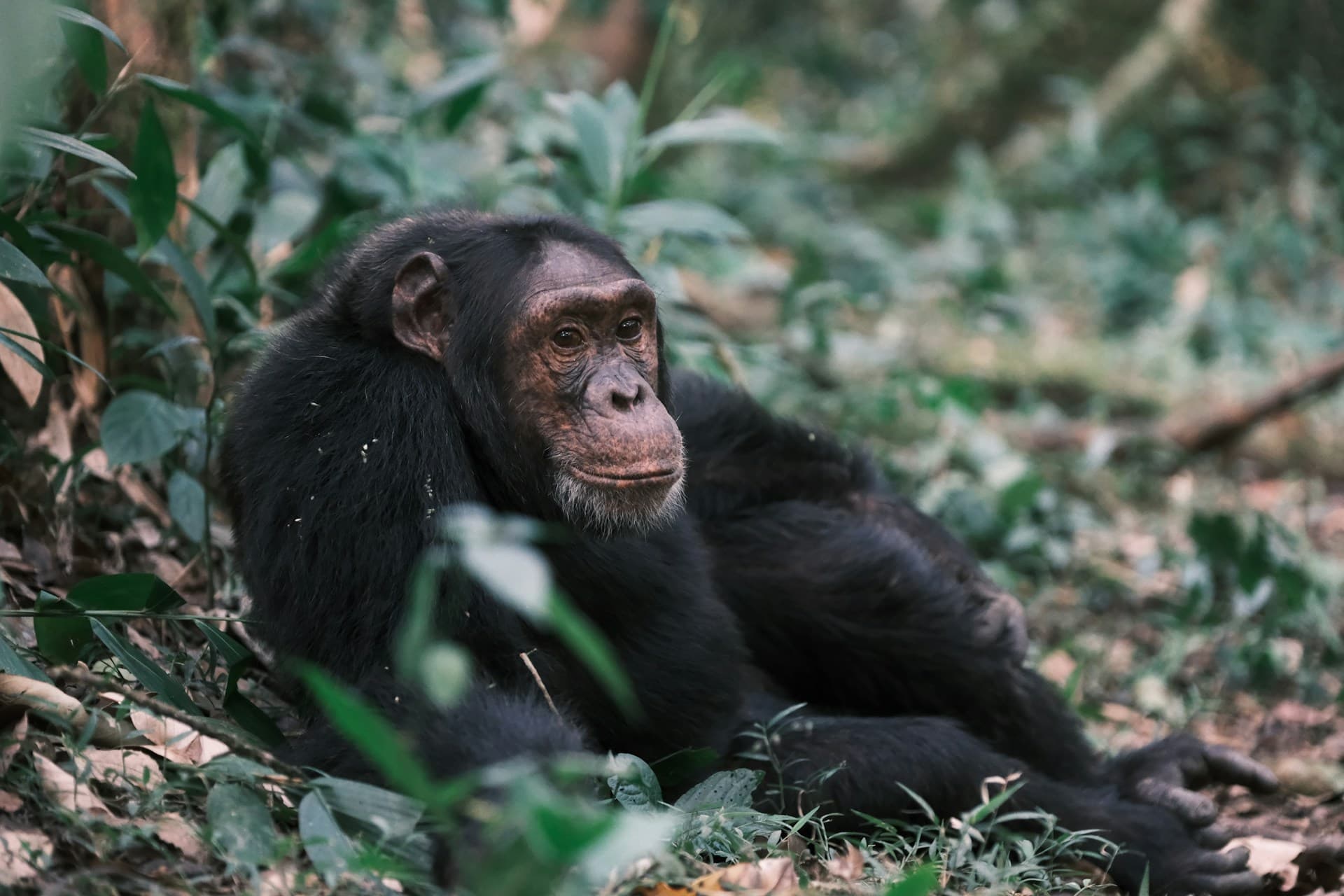
The reward: breathtaking Uganda landscapes
Written by
Everbased Tours Team
Expert travel writer and safari guide with decades of experience exploring East African wildlife and cultures.
Get in touch